
Search Engines
Understanding how search engines work, Google in particular, is important when working in SEO. The basics of crawling and indexing are amazingly useful to understand if you want to rank your own content.
Additionally, Google updates its algorithm several times a year. Understanding the more significant updates, and how they work, can help you to craft content and SEO strategies that are up-to-date.
We've written extensively about how search engines work, and included some of the top resources here. You can also browse the latest posts on search engines from the Moz blog below.
How Search Engines Work : New to SEO? Start with the basics of how search engines operate with our free beginner's guide.
Search Engine Ranking and Visibility : Learn the fundamentals of how search engines rank content on search engine result pages.
Google Algorithm Update History : A complete history of Google algorithm updates since 2000. This includes important links and references for understanding how Google works.
How Search Engines Value Links : Search engines work off a number of signals, but two of the most important are content and links. In this video, Rand Fishkin explains the basics of link evaluation.
MozCast : Is Google updating it's algorithm as we speak? MozCast is the Google algorithm weather report, so you can see how much Google results are changing each day.

Reputation Management SEO: How to Own Your Branded Keywords in Google
A searcher's first impression happens on Google's SERPs, not your website. In this Whiteboard Friday, Rand takes us through the inherent challenges of reputation management SEO and tactics for doing it effectively.
What Do SEOs Do When Google Removes Organic Search Traffic?
We rely pretty heavily on Google, but some of their moves lately have made doing SEO a lot harder. What organic opportunities have been taken away, and what are some potential solutions? Rand covers a rather unnerving trend in this week's Whiteboard Friday.
Q&A: Lost Your Anonymous Google Reviews? The Scoop on Removal and Moving Forward
If you lost anonymous "A Google User" reviews since late May, you probably have a few questions about why they were removed. Miriam Ellis is here to share answers on how this affects your review strategy and local SEO as a whole.
Big, Fast, and Strong: Setting the Standard for Backlink Index Comparisons
It's time to put math where our mouth is when it comes to the new Moz Link Explorer data. Take a look at the amazing effort we have put into building an industry-leading link graph and the cutting-edge, scientific metrics which prove it.![How We Got a 32% Organic Traffic Boost from 4 On-Page SEO Changes [Case Study]](https://a-moz.groupbuyseo.org/images/blog/banners/5adfaf86311430.16782901_2021-03-30-224841.jpg?auto=compress%2Cformat&fit=crop&dm=1617144521&s=7270945d020f2c2daaf121eb8c24753a)
How We Got a 32% Organic Traffic Boost from 4 On-Page SEO Changes [Case Study]
The Google Panda updates from 2012 hit forum sites hard. In this case study, learn how one site reversed a trend of stalled growth by implementing four on-page SEO fixes (and one non-solution you should avoid).Level Up Your SEO Skills With Our Free Training

Moz Academy Training
Complete courses to master SEO basics

Keyword Research Master Guide
Learn Keyword Research like the pros

Guide to SEO Competitor Analysis
Win rankings and traffic from your competition

Google Confirms Chrome Usage Data Used to Measure Site Speed
How does Google measure a page's loading speed? New information confirms that Google is using Chrome usage data to evaluate site speed, rather than Googlebot. Learn just what that means, why it matters, and what it could portend for users.
How to Boost Bookings & Conversions with Google Posts: An Interview with Joel Headley
Have you been using Google's Posts feature? It can boost your conversions in the SERPs. With some creativity and ingenuity, one company was able to increase their Bookings by 11%. Check out the Q&A, steps you can take, and actionable tips in this post.
Zero-Result SERPs: Welcome to the Future We Should've Known Was Coming
Google is experimenting with zero-result SERPs, results with a Knowledge Card but no organic listings. Dr. Pete explores the prevalence of these results, what they mean for SEO, and why this evolution was probably inevitable.
How to Diagnose SEO Traffic Drops: 11 Questions to Answer
Every consultant or SEO will be asked at some point to investigate an organic traffic drop. To make that investigation a little less painful, this post lays out eleven essential questions to ask that'll help you get to the bottom of the drop.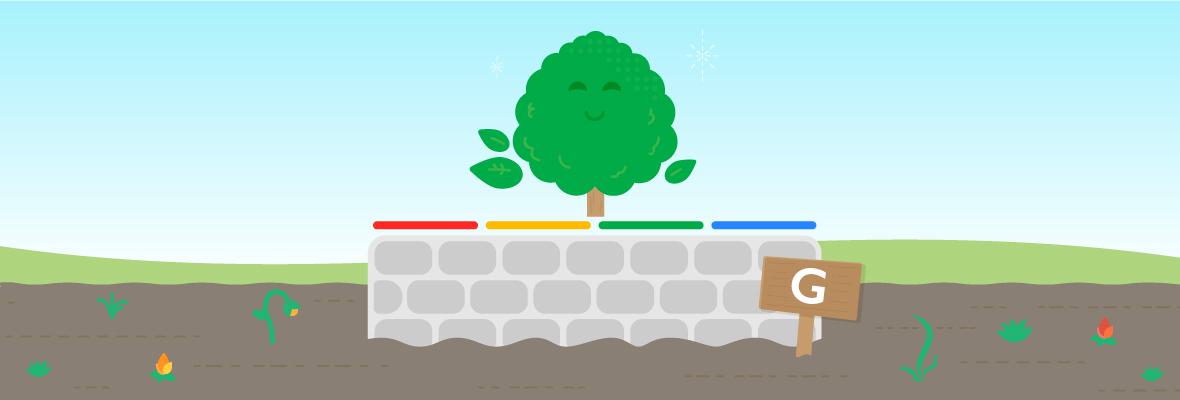
Google's Walled Garden: Are We Being Pushed Out of Our Own Digital Backyards?
Google is driving more and more clicks back to Google and creating fully in-search experiences, including custom portals. Are they walling off a garden built on our content? What does (and doesn't) Google owe us — as marketers, search users, and content creators?![The Google Ranking Factor You Can Influence in an Afternoon [Case Study]](https://a-moz.groupbuyseo.org/images/blog/banners/content-bd475af_2021-03-30-225549.png?auto=compress%2Cformat&fit=crop&dm=1617144949&s=da75de352ce320f47dbfb9a1cf2721f8)