Understanding how search engines work, Google in particular, is important when working in SEO. The basics of crawling and indexing are amazingly useful to understand if you want to rank your own content.
Additionally, Google updates its algorithm several times a year. Understanding the more significant updates, and how they work, can help you to craft content and SEO strategies that are up-to-date.
We've written extensively about how search engines work, and included some of the top resources here. You can also browse the latest posts on search engines from the Moz blog below.
How Search Engines Work
: New to SEO? Start with the basics of how search engines operate with our free beginner's guide.
Google Algorithm Update History
: A complete history of Google algorithm updates since 2000. This includes important links and references for understanding how Google works.
How Search Engines Value Links
: Search engines work off a number of signals, but two of the most important are content and links. In this video, Rand Fishkin explains the basics of link evaluation.
MozCast
: Is Google updating it's algorithm as we speak? MozCast is the Google algorithm weather report, so you can see how much Google results are changing each day.
Local SEO expert Joy Hawkins joins us for a special edition of Whiteboard Friday, giving you a sneak peek at her MozCon Virtual 2021 presentation: To Post or Not to Post: What We Learned From Analyzing Over 1,000 Google Posts.
Looking at 500 data points for each year from 2013 through 2021, Russ examines whether a long-standing theory in search engine optimization is true: do reviewers, aggregators, and non-manufacturing retailers push makers and manufacturers out of the SERPs over time?
A sizable chunk of web traffic and online purchases now come from voice searches. Because users ask for content differently when they use Siri or Alexa, optimizing content to capture more of that traffic will work a bit differently.
Without an organizing principle, a spreadsheet full of keywords is a bottomless to-do list. It’s not enough to know what your competitors are ranking for — you need to know what content is powering those rankings and how you’re currently competing with that content. Enter advanced search operators.
Today, we’ll demonstrate the prominence of the fascinating business listing feature known as "local justifications", and show how they can help you to stand out from local SERP competitors in exciting ways!
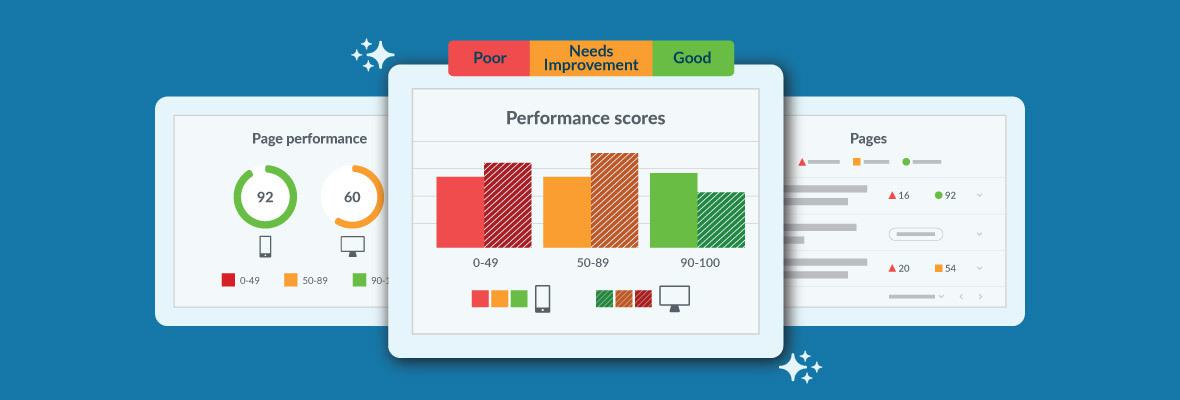
Moz’s new Performance Metrics features allow you to check Core Web Vitals and other page performance metrics for any page, thousands of URLs at a time.
Brodie Clark teamed up with Izzi Smith to create a new SEO quiz series, testing marketers' knowledge of Google SERP features. In this post, read through the six most common misconceptions found in quiz answers, dealing with structured data, Featured Snippets, and more!
Three weeks after a historically huge drop in Featured Snippets, they appear to have returned. Were they just on holiday? What happened exactly? Honestly, we have no idea, but here are the numbers.
When the team at Go Fish Digital began helping a large media company break into Google’s Top Stories for major single-day events, they discovered that one way many sites do this is through the use of a schema type called LiveBlogPosting. Here are there findings regarding what this structured data type is, how sites are using it, and what impact it might have on Top Stories visibility.
Mordy spent the better part of two months running all sorts of queries in all sorts of different ways to see how it impacted his Google Discover Feed. Here are the results.